April 2026 Newsletter

April carries a particular kind of fullness.
Somewhere in our community this month, a family is setting a seder table, telling the same stories their grandparents told. Another is dyeing eggs with cousins. Another is celebrating Vaisakhi with relatives they haven't seen since last spring. Another is gathering for Ridvan. Another is planting something for Earth Day. And another is just noticing that the birds are beginning their songs at an earlier hour.
All of it is unfolding this month, woven through our community, our families, our neighborhoods.
April is also Autism Acceptance Month, and for many autistic people and families, this month is less about awareness and more about celebration: a distinct way of being in the world, thinking, connecting, and experiencing that is entirely their own. If that resonates for your family, we celebrate with you. And if your relationship with this month is more layered than that, we are here for that too.
April is also Occupational Therapy Month. As an OT, I believe this deeply: the activities that carry meaning and purpose for us are fundamental to who we are. It is why, when a child walks through our doors, we are never just looking at a developmental profile. We are meeting a whole person, shaped by their family's rhythms, their calendar, the particular ways they move through the world and make meaning in it. That context is not separate from our work. It is the work.
And it is why this work takes a whole community to do well: the clinicians, the families, the supporters, and the partners who believe that every child deserves to be fully known.
What we want every child, every family, and everyone who is part of this community to feel is this: all of who you are is welcome here.
Happy April.
PAC Learning Series: April Session
PCDA’s Parent Advisory Committee (PAC) Learning Series offers free, virtual workshops for families and professionals focused on supporting children’s development. This month’s session on Thursday, April 23 will explore ways to foster socio-emotional skills in neurodivergent youth.
Each PAC session is clinician designed to provide actionable strategies, guided by evidence-based practices and PCDA’s strengths-based, relationship-driven approach. PAC participants will have the opportunity to gain new knowledge, ask questions, and connect with other families and caregivers who share similar experiences. Register at the Zoom link below!
April 23 @ 12pm - Executive Functioning in Children and Teens - Led by Anna Hasbun, Educational Therapist and Owner/Director of Stepping Stones to Learning
📅 Zoom link
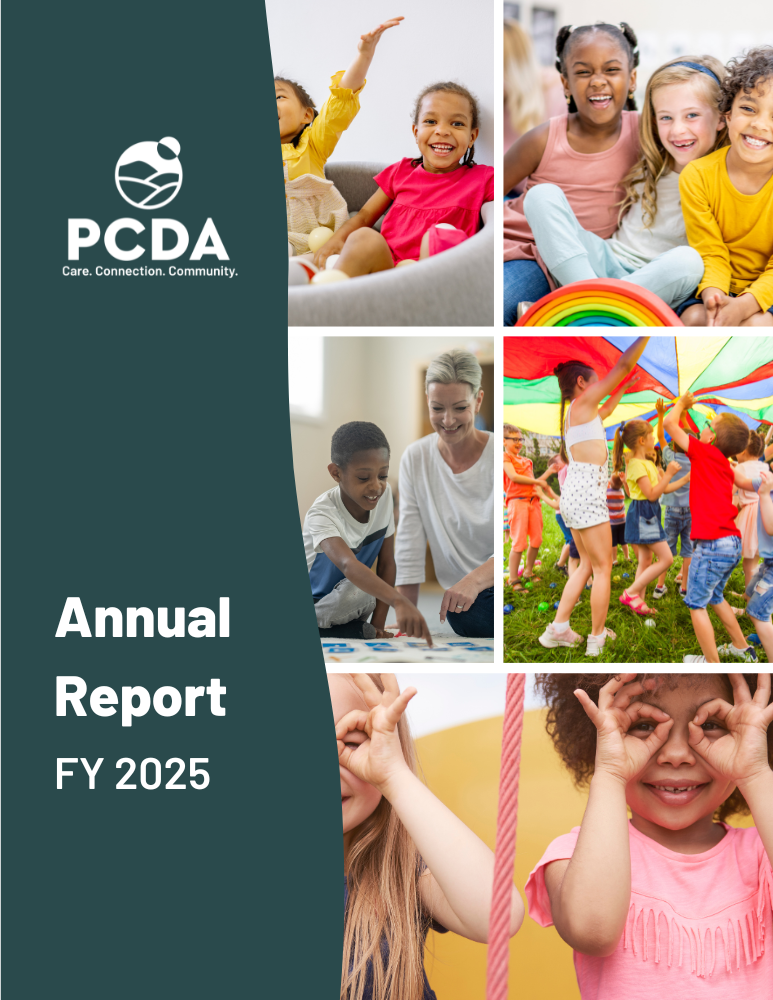
We’re excited to share PCDA’s 2025 Annual Report, a reflection of a year filled with growth, connection, and meaningful impact.
Inside, you’ll find stories from our community, highlights from our programs, and a closer look at how your support helps children, teens, and young adults with developmental differences build confidence, independence, and belonging.
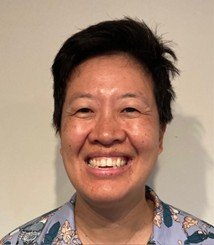
After graduating from UC Davis, Steph spent ten years working in sitcoms and still loves incorporating humor and big feelings into her work. She is excited to support clients in nurturing their inner worlds and, from there, connecting with one another to create shared spaces neither could have imagined on their own.
Outside of work, Steph is almost certainly thinking about baseball, whether playing or watching, and she also enjoys buying books she eventually intends to get to.
We are so happy to welcome Steph to the PCDA team!
PCDA is grateful to be celebrating continued support from The John C. Hench Foundation. At the heart of our work is something simple but profound: bringing neurodiverse youth and young adults together in spaces where they can connect and express themselves. This generous gift allows us to do just that – and more. With the Foundation's support, we'll expand arts-based pathways for participants ages 10 through 21, giving young people real choice in how they create and grow from pre-teen years all the way through young adulthood. We'll also be able to bring participants into the wider community through museum visits, live performances, local workshops, and more, where they'll engage not just as observers but as artists and contributors. We are deeply moved by the Foundation's continued belief in this work and in the young people at the center of it. Together, we're building a space where neurodiverse youth can create, connect, and experience themselves as exactly who they are: capable, valued, and fully belonging.
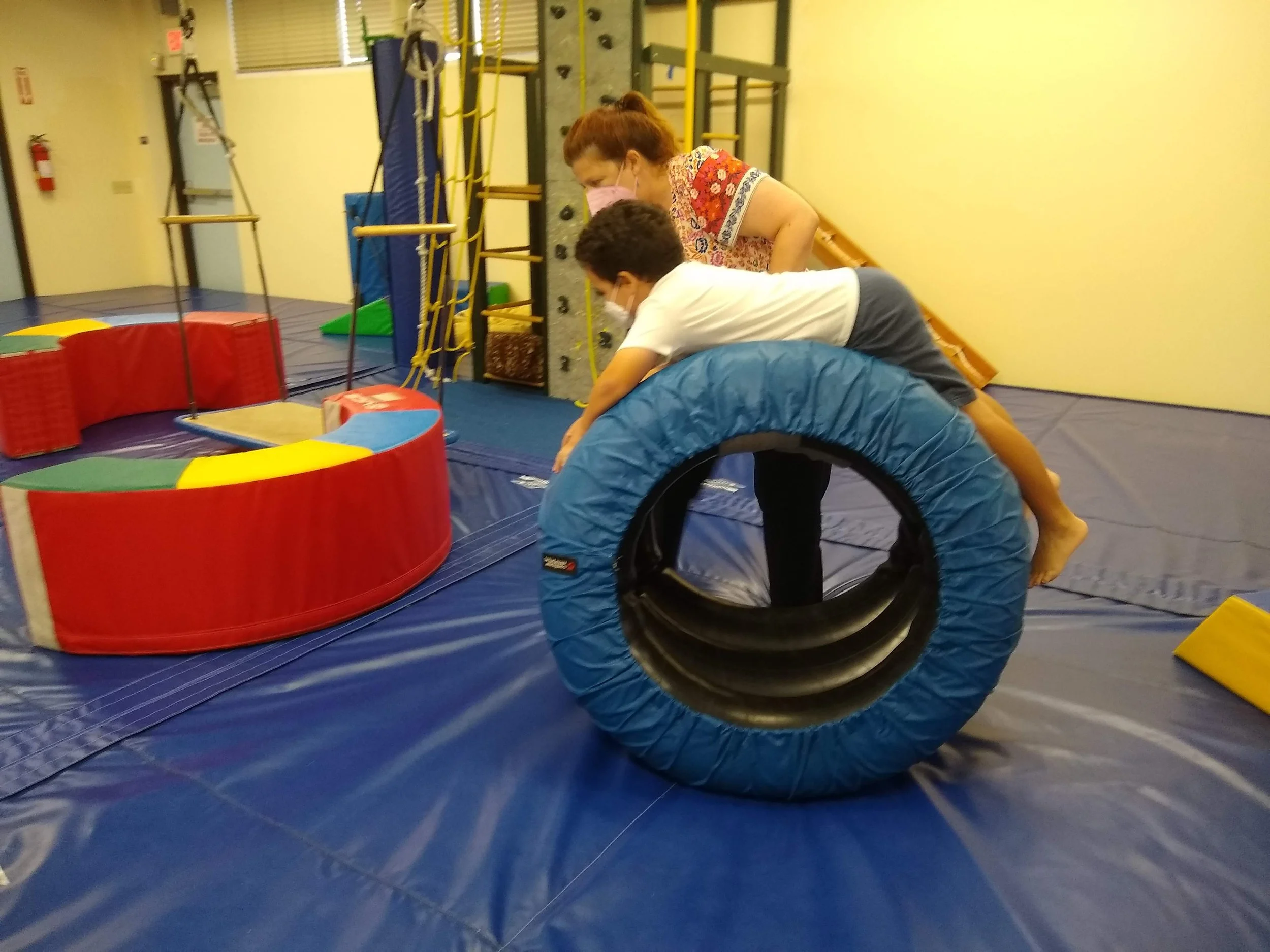
Declan participating in an occupational therapy session.
When my son Declan first started occupational therapy at PCDA, our family was navigating challenges that felt overwhelming at times. Mealtimes were stressful. He had a very limited diet and would only eat a few foods, and each day brought worry. Would he try something new? Would he gain confidence in his body? Would he feel like he belonged?
After just a few weeks, something remarkable happened. Declan began exploring more foods and his safe foods list started to grow. Now, he is willing to try almost anything new. That simple shift brought more than just better nutrition, it brought a sense of possibility and joy into our home. Every small step became a celebration and a reminder that growth happens when children are supported with patience and understanding.
Therapy at PCDA didn’t just change what Declan could eat. It changed how he moved through the world. In the big gym, he builds obstacle courses and runs them from start to finish. Watching him tackle each challenge with determination and pride has been incredible. His balance, strength, and confidence have grown, and with every step I see him trusting his body more.
Being part of PCDA has shown me how powerful relationship-based care can be. It’s more than therapy. It’s a community that nurtures children, empowers families, and celebrates every step forward.
The Heart of PCDA is a space for our community to share reflections on their journey with our programs. PCDA’s mission comes to life through the experiences of our community. We would love for you to tell us about a meaningful breakthrough in therapy, a special family tradition supported by PCDA, or the ways your child has grown in confidence, independence, or communication.

Recurring gifts of any amount provide consistent, dependable support that sustains PCDA’s work throughout the year. This reliability ensures that our families continue to receive the services that they need most without interruption.
Circle of Care supporters are part of a dedicated community that makes this possible. Their continued generosity enables clinicians and staff to focus on each child’s unique strengths while supporting families at every stage. Monthly contributions also help PCDA plan for the future, enhance existing services, and broaden access to care for those who need it most.
To learn more about joining the Circle of Care, please contact the Development team at development@pcdateam.org.
Support PCDA: Join Our Village
Every contribution, whether a one-time gift, a monthly commitment, or a donation through our Wish List, helps create meaningful, lasting impact for the children and families PCDA serves. Gifts of all kinds make it possible to meet families where they are and continue building a community rooted in connection, growth, and belonging.
Thank you for the generosity that makes this work possible.