July 2026 Newsletter
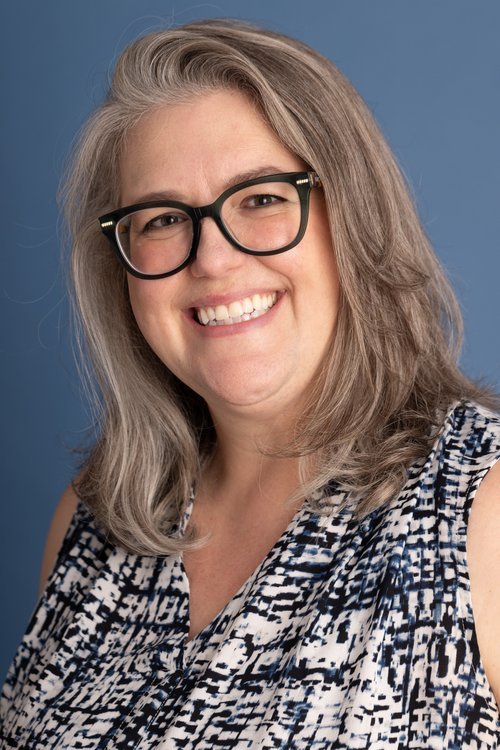
The Practice of Inclusion
This morning, while I was waiting for an appointment, I did what most of us do: I started scrolling through my phone. I came across a post attributed to disability advocate Ellen Jones about the social model of disability: that disability isn't created by the person, but by environments that aren't designed to be inclusive. This July, Disability Pride Month gives us a chance to pause and really think about disability and inclusion.
I always do a bit of research before using someone's quote, and I appreciated that Jones also writes prominently on her website, "If inclusion feels easy, you're probably doing it wrong." I feel that professionally every day, both in our clinical work at PCDA and as I join community conversations about inclusion.
What does that look like?
In one of our social skills groups, six children means six different sensory profiles, communication styles, interests, and ways of engaging with the world. Building toward shared goals means no single child's needs can quietly become the default. Every session requires balancing individual needs with opportunities for everyone to participate together.
The same is true throughout PCDA. Our staff bring different professional backgrounds, experiences, and neurotypes, and creating a workplace where everyone can do their best work requires just as much thought and flexibility.
Even our efforts to be inclusive can quietly default to one kind of need. I've seen it in community sensory rooms that offer swings, bright lights, textured walls, and loud music, while someone who needs quiet or low stimulation has few places to regulate. The question we have to keep asking is, "Inclusive for whom?"
Maybe that's what I appreciate most about Jones' statement. If inclusion feels hard, it may be because we're designing environments around real people instead of an imaginary "average" person. That work requires curiosity, creativity, humility, and a willingness to admit that what works for one person may create barriers for another.
At PCDA, we don't always get it right the first time. But we'll keep asking better questions, keep listening, and keep widening the circle.
To me, that's one way we honor Disability Pride Month: not by congratulating ourselves for being inclusive, but by continuing the harder work of building communities where more people belong.

We're proud to celebrate the incredible accomplishments of our PCDA middle school and high school graduates. Graduation marks an exciting milestone, and we are honored to have been part of each student's journey as they reached this important moment.
To our graduates and their families, congratulations. Your hard work and growth inspire us every day. As you look ahead to new opportunities, we know you'll continue to learn, thrive, and make your unique mark on the world.
We're cheering you on and can't wait to see what comes next!
⭐ Malachi J.
⭐ Ethan K.
⭐ Ellie S.
⭐ Reagan T.
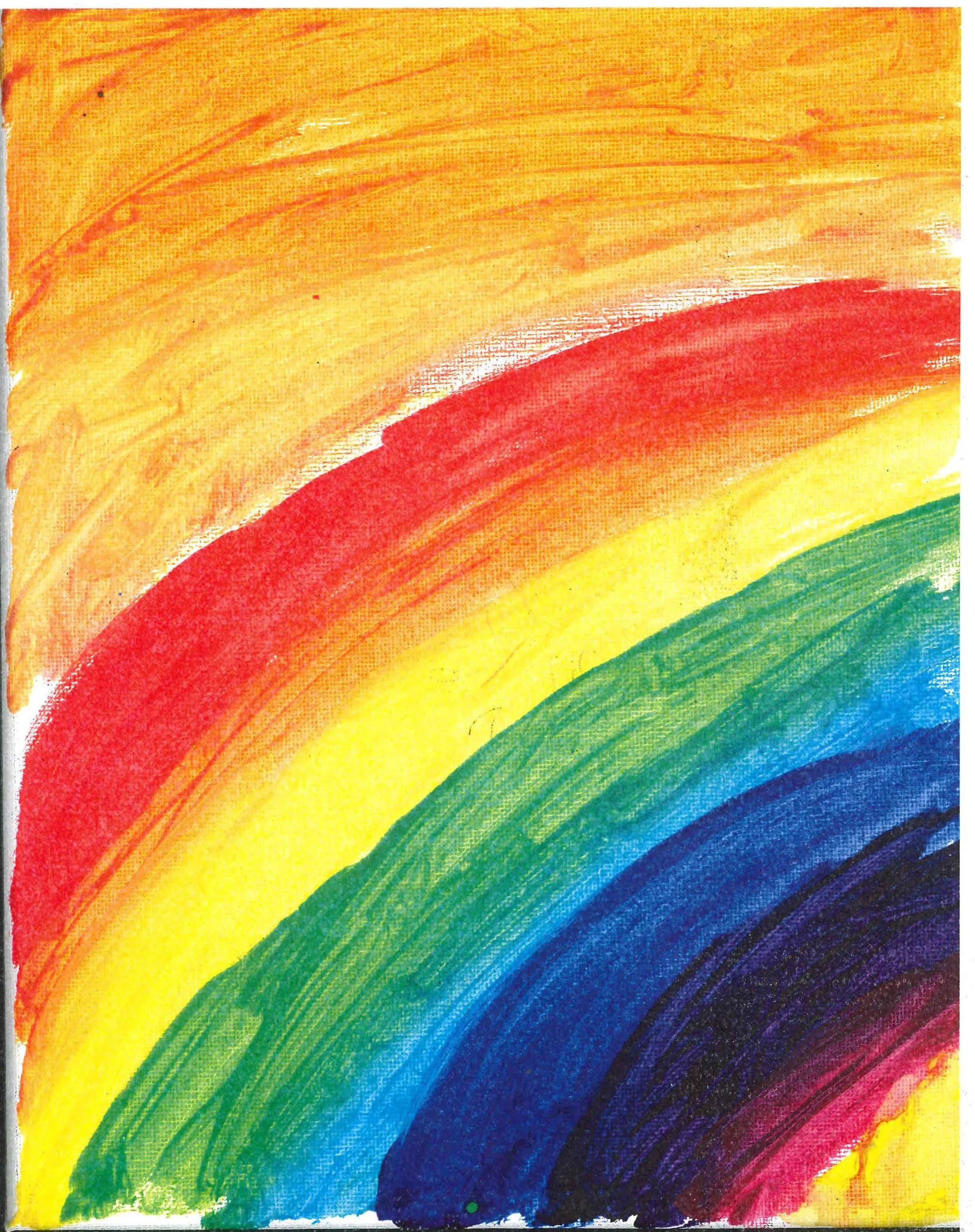
An original work of art featured in last year’s Teen Art Show.
This July, we join our community in celebrating Disability Pride Month, a time to recognize the unique identities, strengths, and contributions of individuals with disabilities while reflecting on the importance of creating spaces where everyone belongs.
At PCDA, inclusion is an ongoing practice. It means listening, learning, and adapting so that every individual can participate in ways that honor their unique strengths, needs, and perspectives. We know there is no one size fits all approach to belonging, and we are committed to continuing the work of building a community where every voice is valued and every person is welcomed.
This month, and every month, we celebrate the diversity, resilience, creativity, and joy of the clients and families who make our community so special.
Everyone deserves to feel heard. At PCDA, our Speech and Language Therapy program supports clients of all ages in building confidence to express their thoughts, understand others, and connect more meaningfully with the people around them. Through play, relationships, and everyday experiences, our speech-language pathologists help strengthen communication in ways that feel natural and engaging. Parents and caregivers are active partners throughout the process, carrying strategies from sessions into daily life.
By focusing on the whole person rather than just speech goals, we help build communication skills that foster stronger relationships, greater confidence, and a deeper sense of connection at home, in the community, and beyond.
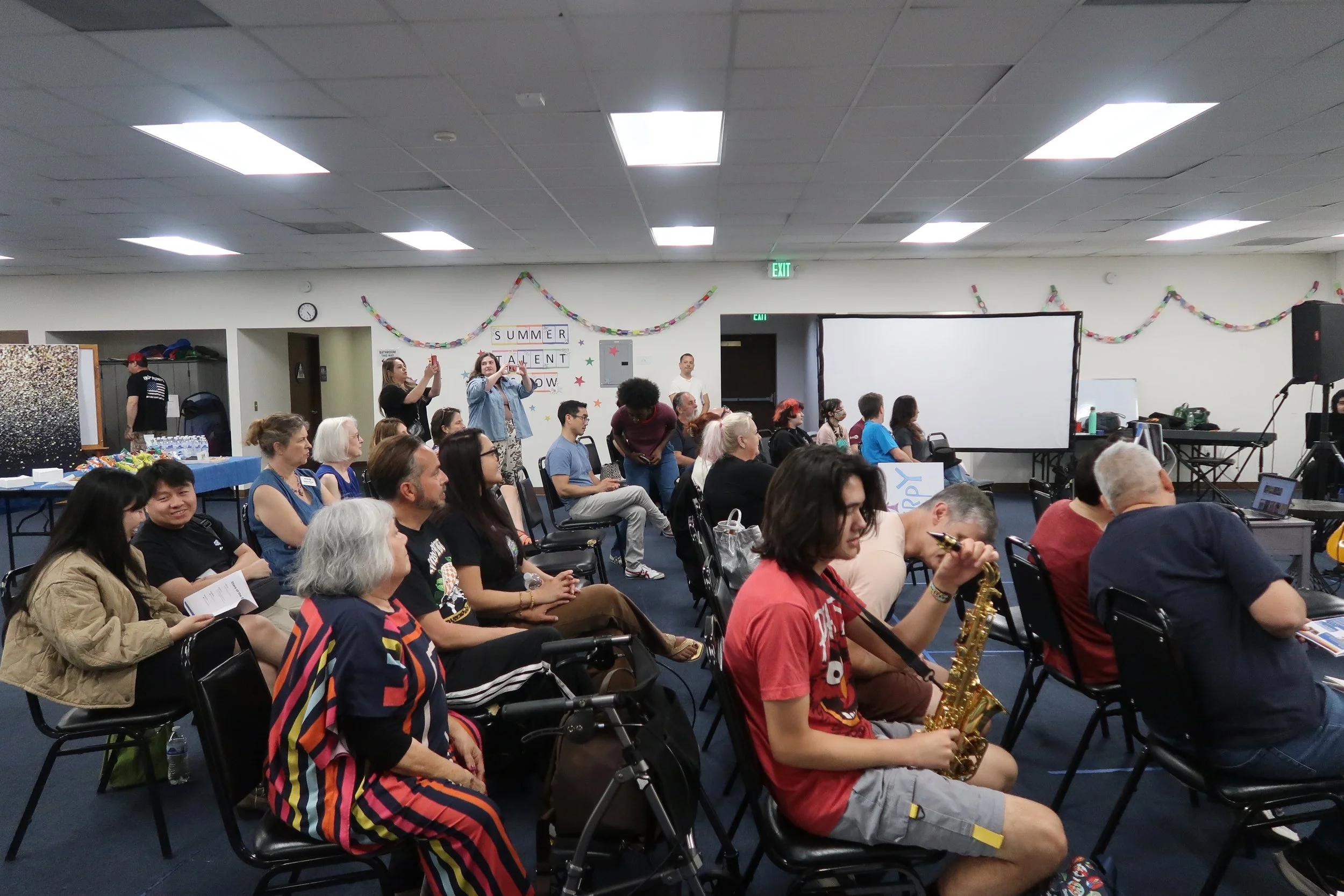
Our community cheering one another on at this year’s Talent Show — a celebration of creativity, belonging, and the moments that make PCDA so special.
From celebrating our clients' incredible talents at our Annual Talent Show to witnessing everyday moments of growth in our therapy rooms, the heart of PCDA is found in the people who make up our community. Every milestone, breakthrough, and joyful moment reminds us of the power of connection, and we'd love to help share those stories.
We invite you to participate in The Heart of PCDA by sharing a favorite memory, meaningful experience, or moment of growth. Whether it's a performance that made you proud, a communication breakthrough, a new friendship, or a milestone that changed your family's life, your story can inspire others and help more families discover our community.
Are you interested in sharing? Contact our Development team development@pcdateam.org to learn more.

At PCDA, meaningful connection doesn't happen by chance. It grows through consistent care, trusted relationships, and a community that shows up for one another. Our Circle of Care monthly giving program provides reliable, ongoing support that helps make those moments possible every day of the year.
Monthly gifts of any size, starting at only $10, help children, teens, and young adults access the therapies, programs, and experiences that foster confidence, belonging, and growth. They also support the dedicated clinicians, developmental interventionists, and staff who build lasting relationships with the individuals and families we serve.
When you join the Circle of Care, you're investing in a stronger, more connected community where every person has the opportunity to thrive.
To learn more about becoming a Circle of Care member this summer, contact our Development team at development@pcdateam.org.
Creating a more inclusive community is ongoing work, and it is made possible by people like you. Every gift helps children, teens, young adults, and families access the therapies, programs, and relationships that foster growth, confidence, and belonging.
Whether you make a one-time gift, become a monthly Circle of Care member, or support us through our Wish List, your generosity helps us continue building a community where every individual is valued, supported, and included.
Thank you for standing with PCDA and helping make belonging possible every day.