

Advocacy Begins With Relationships
When I learned that Dolores Huerta had passed away, I found myself returning to these words of hers: “Every moment is an organizing opportunity, every person a potential activist, every minute a chance to change the world.”
Before she co-founded what became the United Farm Workers, Huerta learned to organize through house meetings, small gatherings in someone's living room where neighbors talked about the challenges they faced and what they might do about them together. Neighbors gathered in living rooms to talk about what was happening in their lives, what wasn't working, and what they might be able to change together. I love that image. It reminds me that the movements we read about in history books often begin in much smaller ways, when people take the time to listen to one another and decide that something affecting someone else matters to them, too.
For those of us who know DIR/Floortime, there's something familiar in that idea. We understand that relationships are at the heart of development. Children grow through experiences of being seen, understood, and responded to, and through the trust that builds when someone is willing to meet them where they are. I think advocacy often begins in much the same way. Someone listens to our concerns, helps us find our footing, or stands beside us when we aren't sure what to do next. Over time, we begin to recognize when someone else needs that same support.
I see this in our PCDA families all the time. A parent who has spent months figuring out how to navigate an upcoming IEP meeting shares what they've learned with another family just starting the process. A dad who finally finds the right feeding support makes sure another parent knows where to turn. These may seem like small gestures, but they can make an enormous difference to a family that has been feeling overwhelmed or alone. And often, the people offering that support don't think of themselves as advocates. They're simply sharing what they know because they remember what it felt like to need help themselves.
Our staff have an important role in advocacy, too. Working alongside families gives us a perspective on the systems they have to navigate every day. We may notice when waitlists keep growing, when a policy creates barriers to care, or when the support available to a family doesn't reflect what they actually need. We have a responsibility to speak up about those things, not only within PCDA, but with the people and systems that have the ability to make changes. We can bring what we learn from our work with families into conversations they may not have access to and help make sure their experiences are part of the decisions being made.
And for our friends, donors, and neighbors, there are opportunities to advocate, too. We need people who will speak up for disability services, push for schools, parks, and workplaces where people with different needs and abilities can participate fully, and challenge assumptions about what autistic people and people with developmental disabilities can do. Sometimes advocacy means contacting a decision-maker or asking a difficult question. Sometimes it means helping someone feel less alone in a public space where their family is being judged. Both matter, and both can influence how our communities understand and include one another.
I keep coming back to Huerta's words because they remind us that we don't have to wait for a big moment or a formal role to make a difference. We can start by listening to the people around us, learning what matters to them, and being willing to speak up when something needs to change. And when we do that together, we can begin to change not only individual experiences, but the systems and communities that shape them.
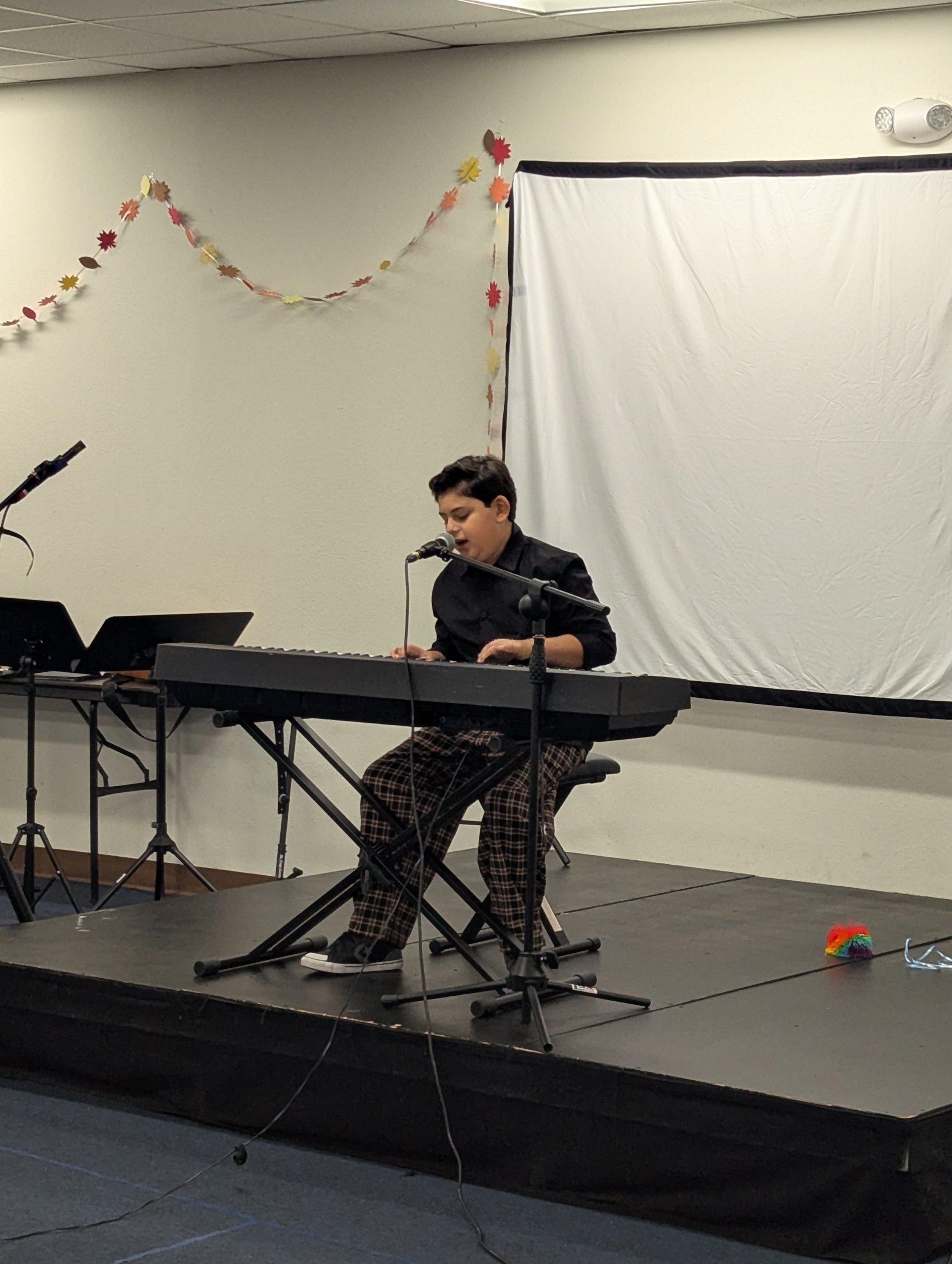
Join us for PCDA’s Creative Arts Fall Recital on Saturday, November 14, at 3:30 PM! We look forward to an afternoon celebrating the creativity, self-expression, and accomplishments of our participants. It's a wonderful opportunity to come together as a community, and families, friends, and supporters are all welcome.
Saturday, November 14 | 3:30 PM
790 E. Green St., Pasadena, CA 91101
For questions, please contact Anne Davis, Director of Therapy Services, at anne@pcdateam.org.
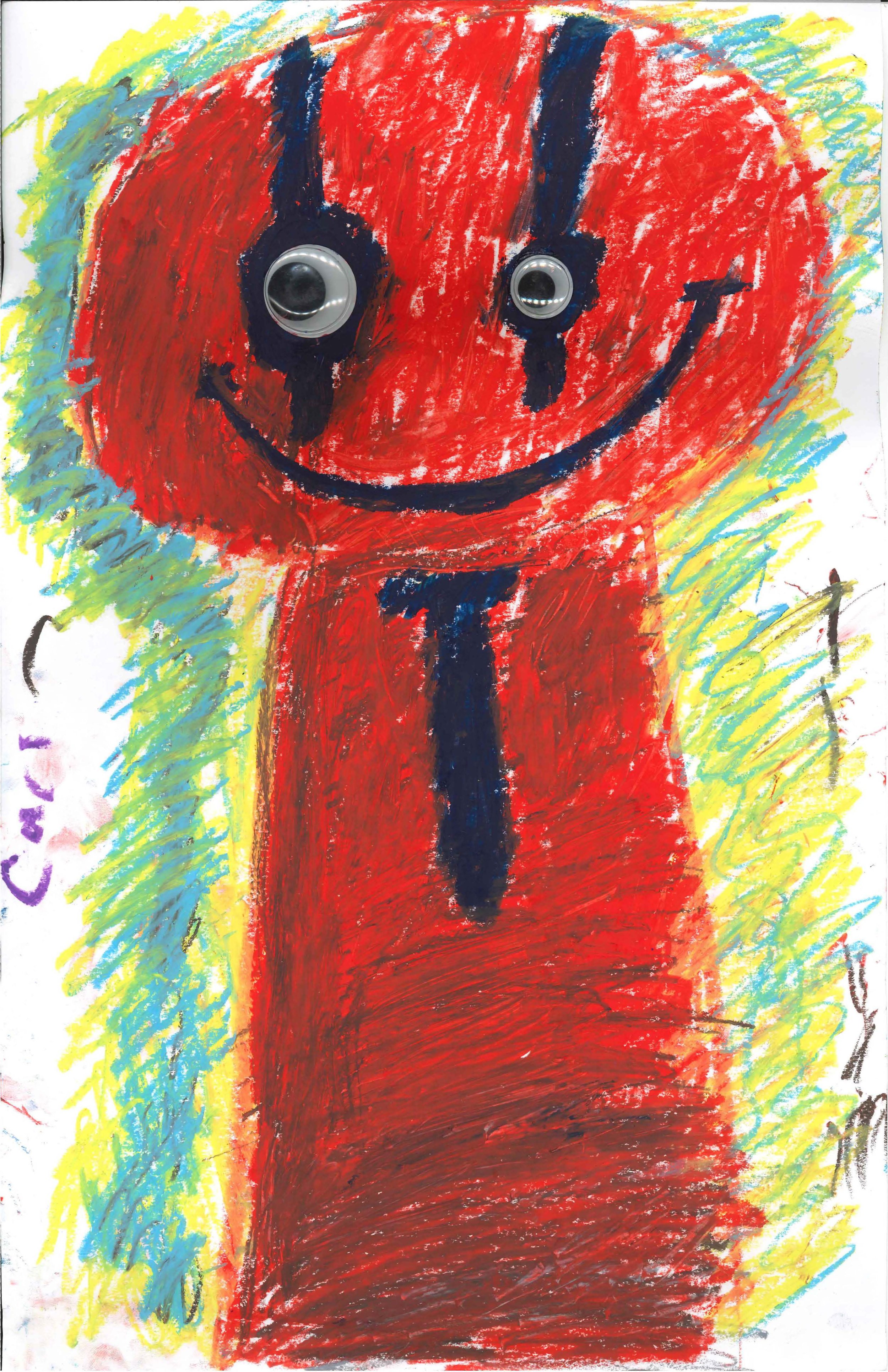
Our annual Teen Art Show is back! Join us on Saturday, December 5, for a morning celebrating the creativity and self-expression of PCDA's teen participants. The show will feature original artwork and creative projects made by our teens, with pieces available for a suggested donation.
All proceeds will go toward PCDA's Teen Club budget and help support the activities and experiences our teens enjoy throughout the year. Families, friends, and community members are all welcome. We hope you'll stop by, take a look, and show our teens some support!
Saturday, December 5 | 10:00 AM–12:00 PM
790 E. Green St., Pasadena, CA 91101
This event is made possible through the generous support of The Hench Foundation.
Can't make it but still want to support?
You can still make a difference with a donation to PCDA's Teen Club. Every contribution helps support the program and the opportunities it provides for our teens.
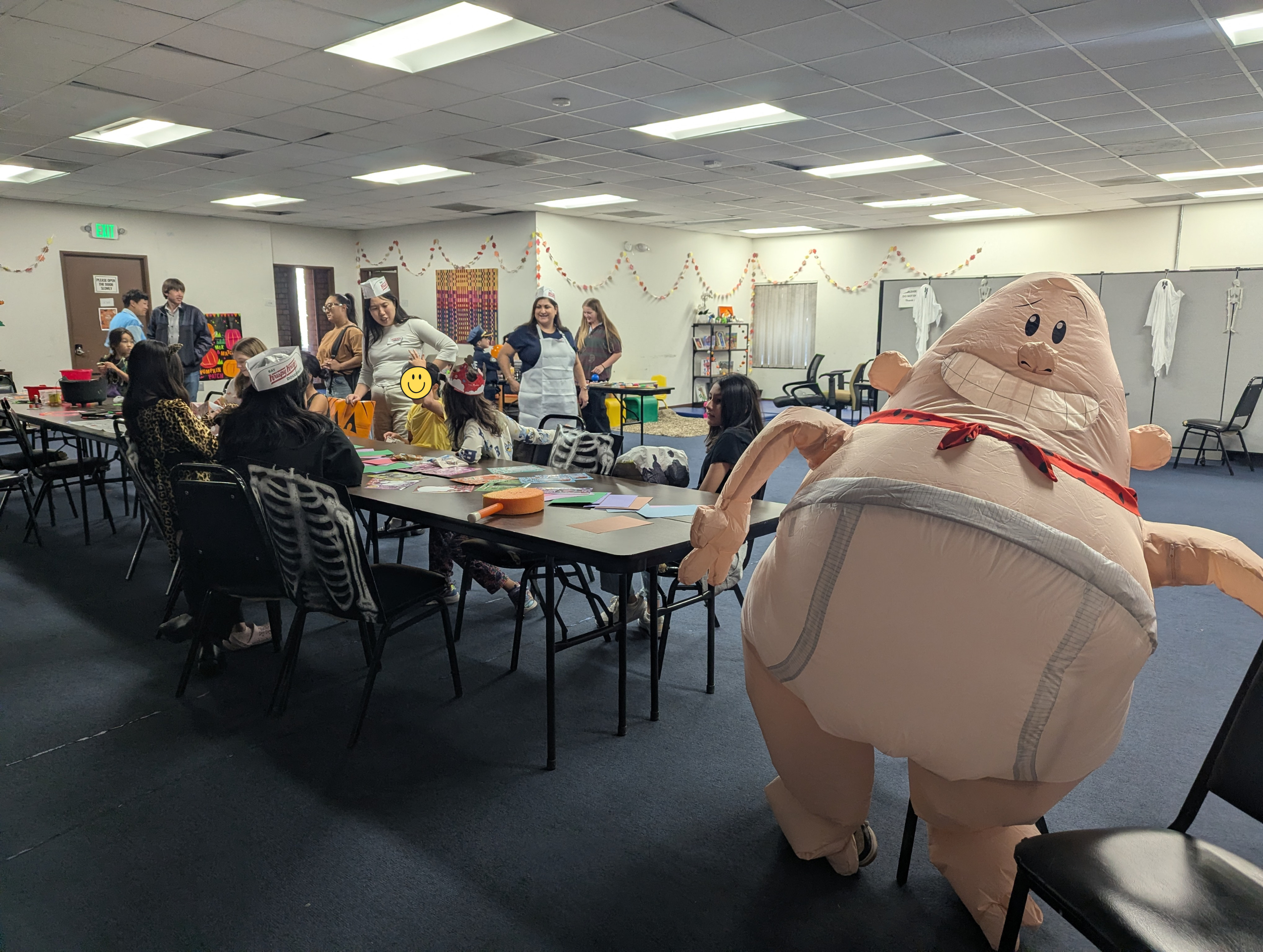
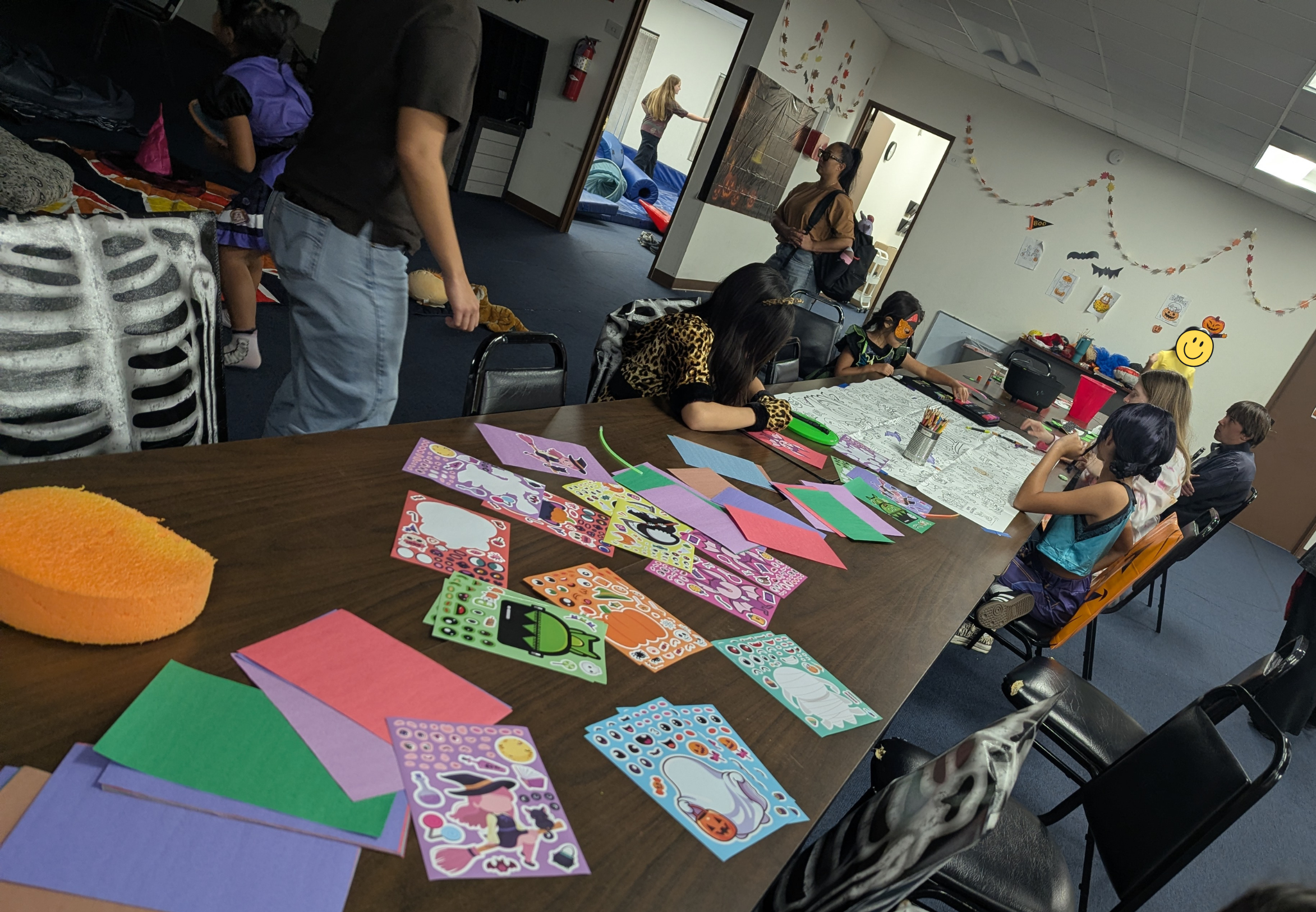
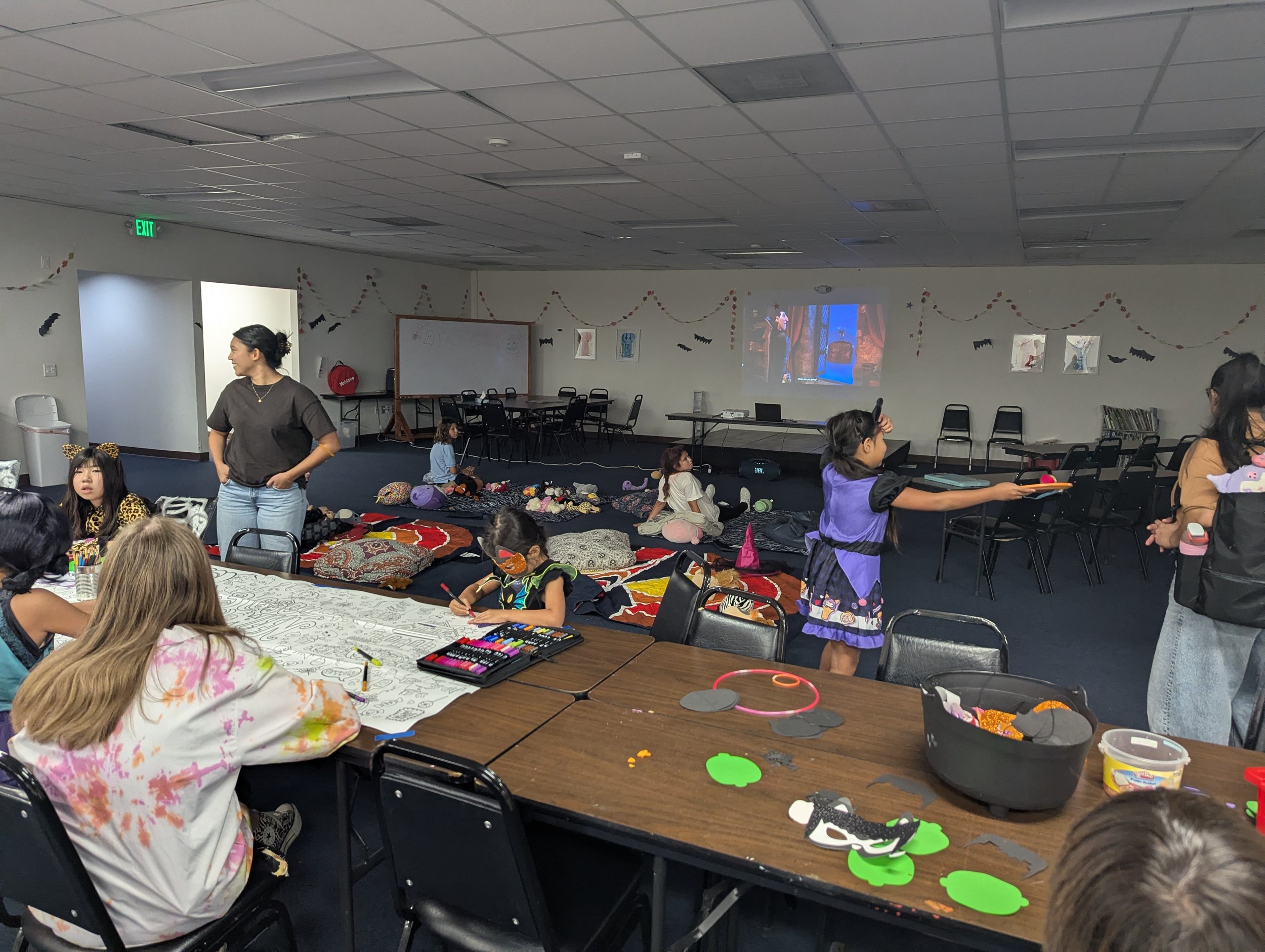
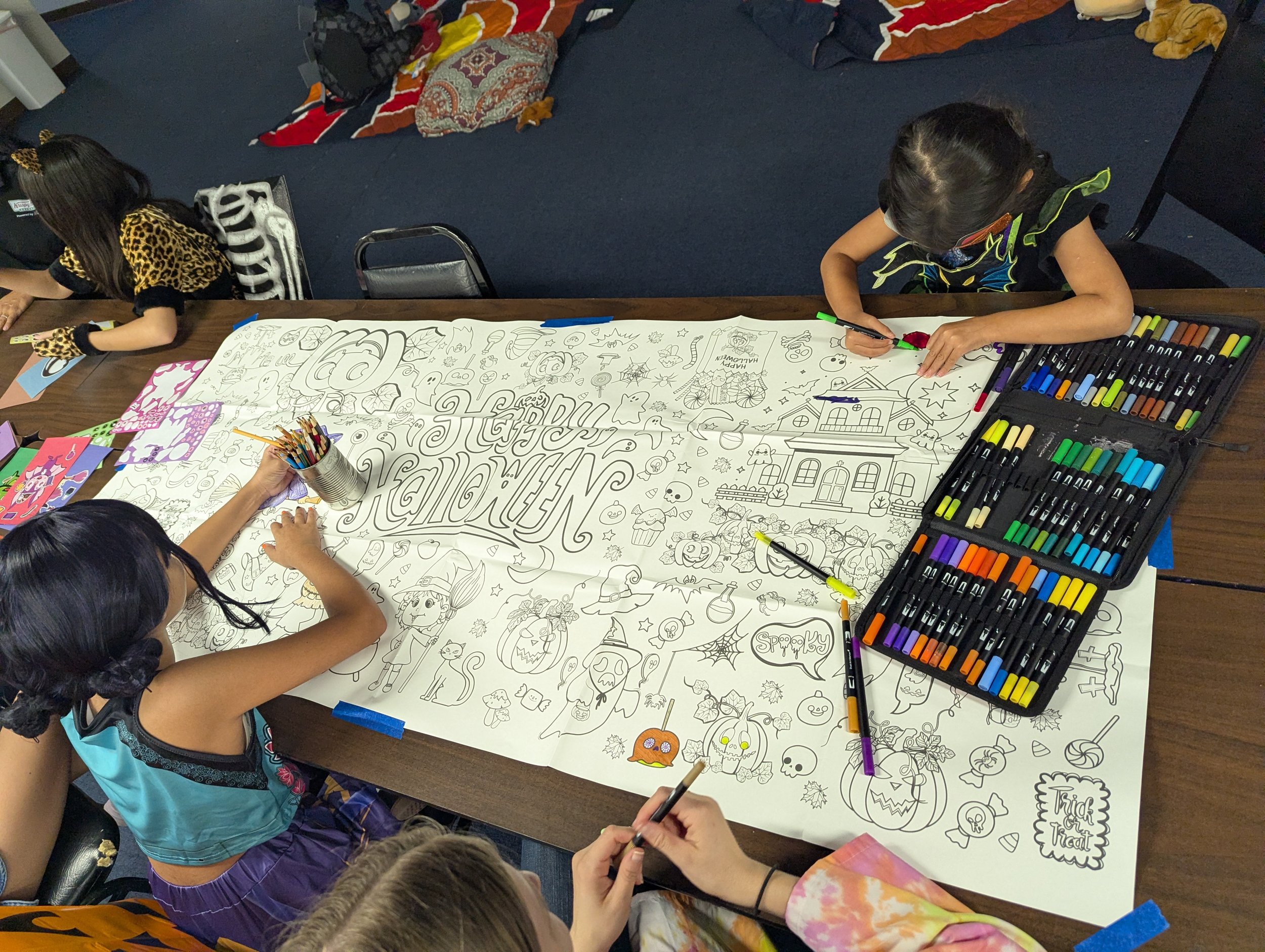
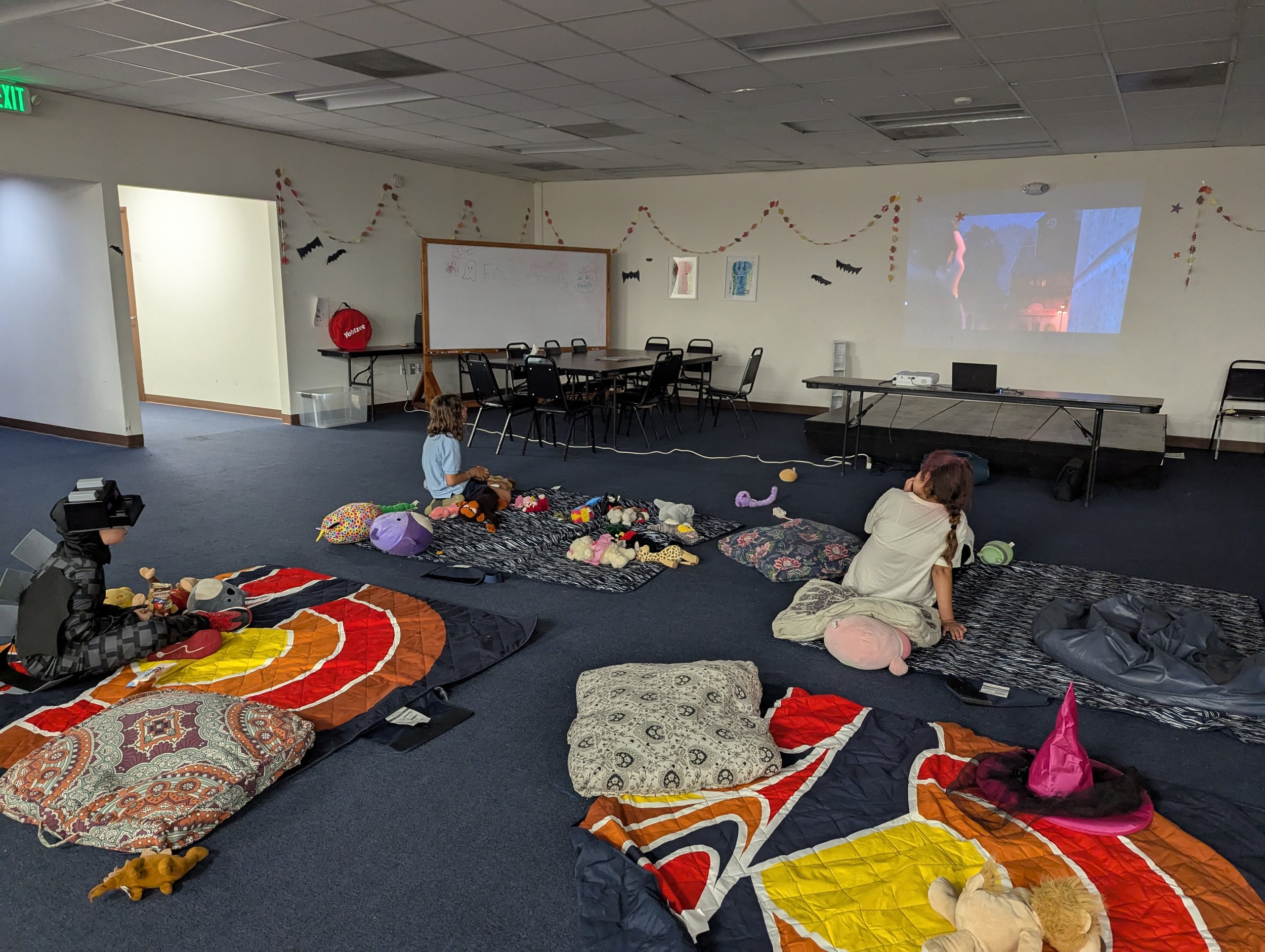
A Little Fall Fun with Our Social Skills Group
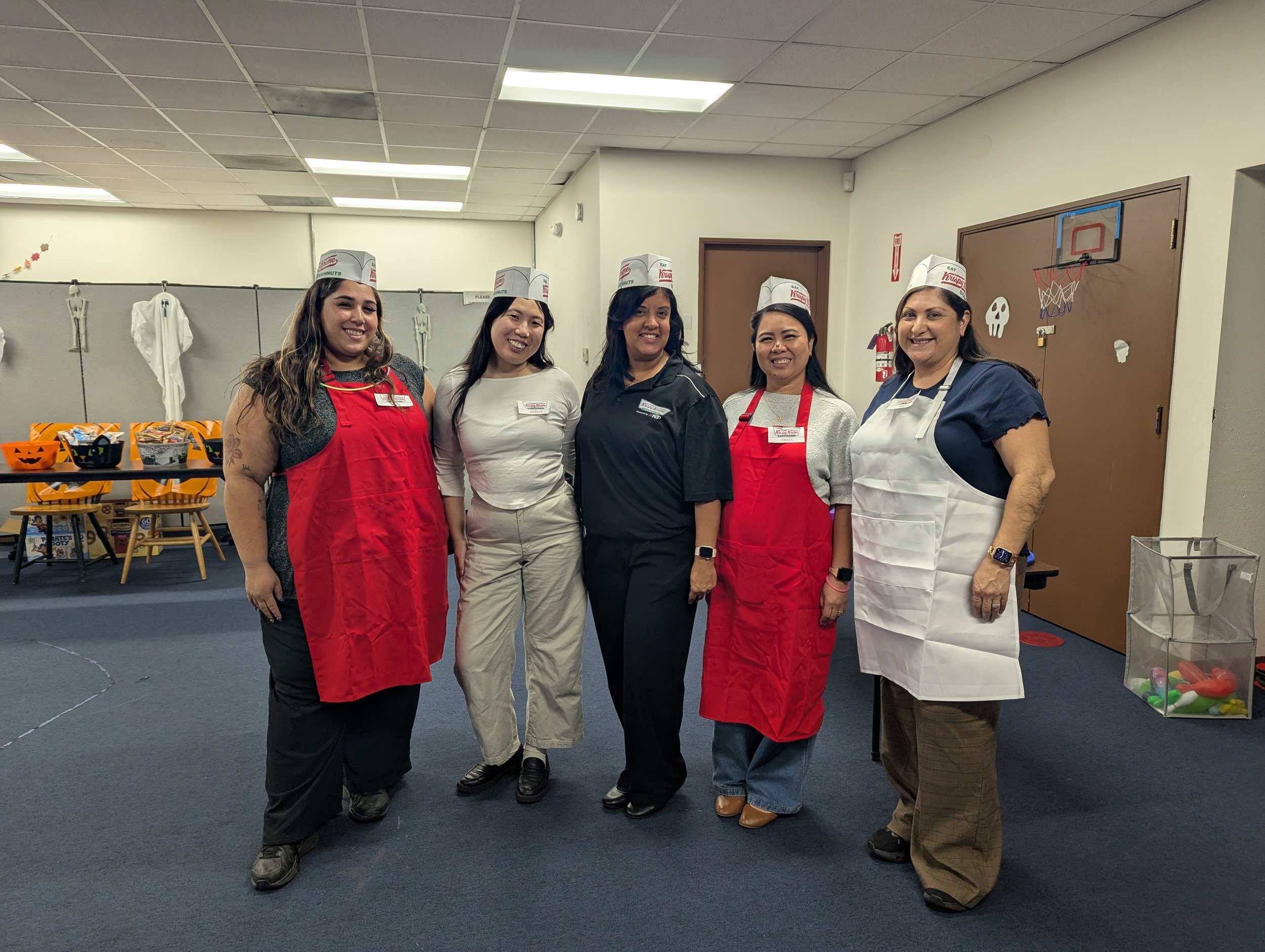
Our Social Skills Group enjoyed a fall social filled with costumes, crafts, movies, and plenty of time together! Participants came dressed for the occasion and spent the afternoon enjoying seasonal activities, sharing snacks, and connecting with friends.
It was a fun opportunity to spend time together outside of the usual group routine. We're glad to have these moments to celebrate, connect, and enjoy being part of the PCDA community!

As we enter the season of gratitude, we're reminded of the many people who make PCDA's work possible. From the families who welcome us into their lives to the therapists, community partners, and donors who stand alongside them, our community is built on the belief that every child and family deserves the opportunity to grow, connect, and thrive.
On Tuesday, December 1, Giving Tuesday offers a chance to carry that spirit of generosity forward. Your year-end gift helps sustain the programs and services that support children and young adults with autism and other developmental disabilities. From speech, occupational, and feeding therapy to social skills groups, creative arts, and teen programs, your generosity helps keep these opportunities available to the families who count on PCDA.
Whether you're making your first gift or continuing a tradition of giving, we hope you'll consider supporting PCDA as the year comes to a close.
Want to make your support ongoing?
Through our Circle of Care, you can turn a one-time gift into a monthly contribution. Recurring gifts provide steady support for PCDA's programs and help us plan for the needs of the families we serve. Gifts of any amount are welcome, and every monthly contribution helps sustain our work throughout the year.
Join Our Village
PCDA is grateful for a community that continues to show up for our families in so many ways. There are plenty of opportunities to get involved, spread the word, and help strengthen the work we do together.
Thank you for being part of our village. We're grateful to have you alongside us!
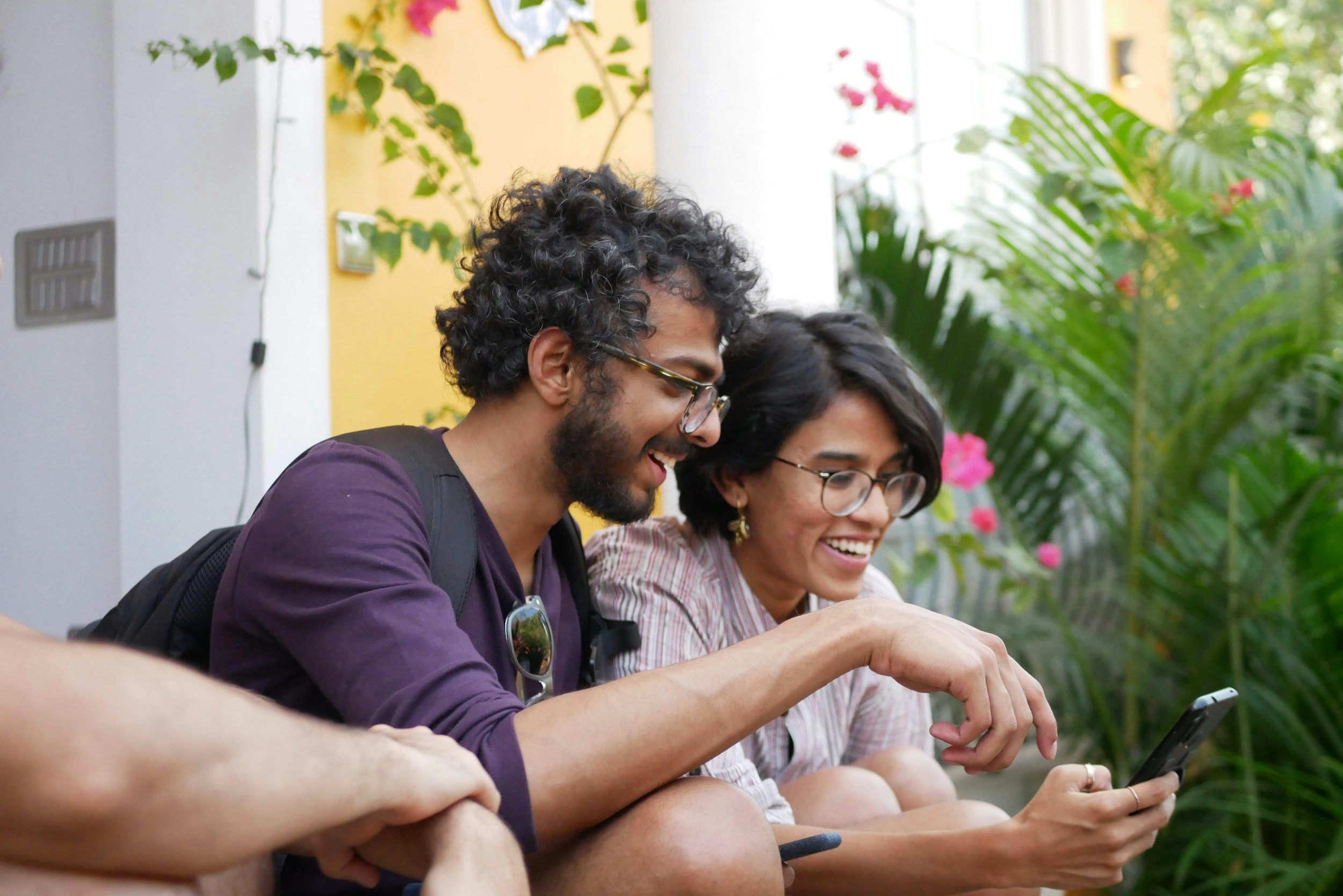
Help spread the word about PCDA and our work.
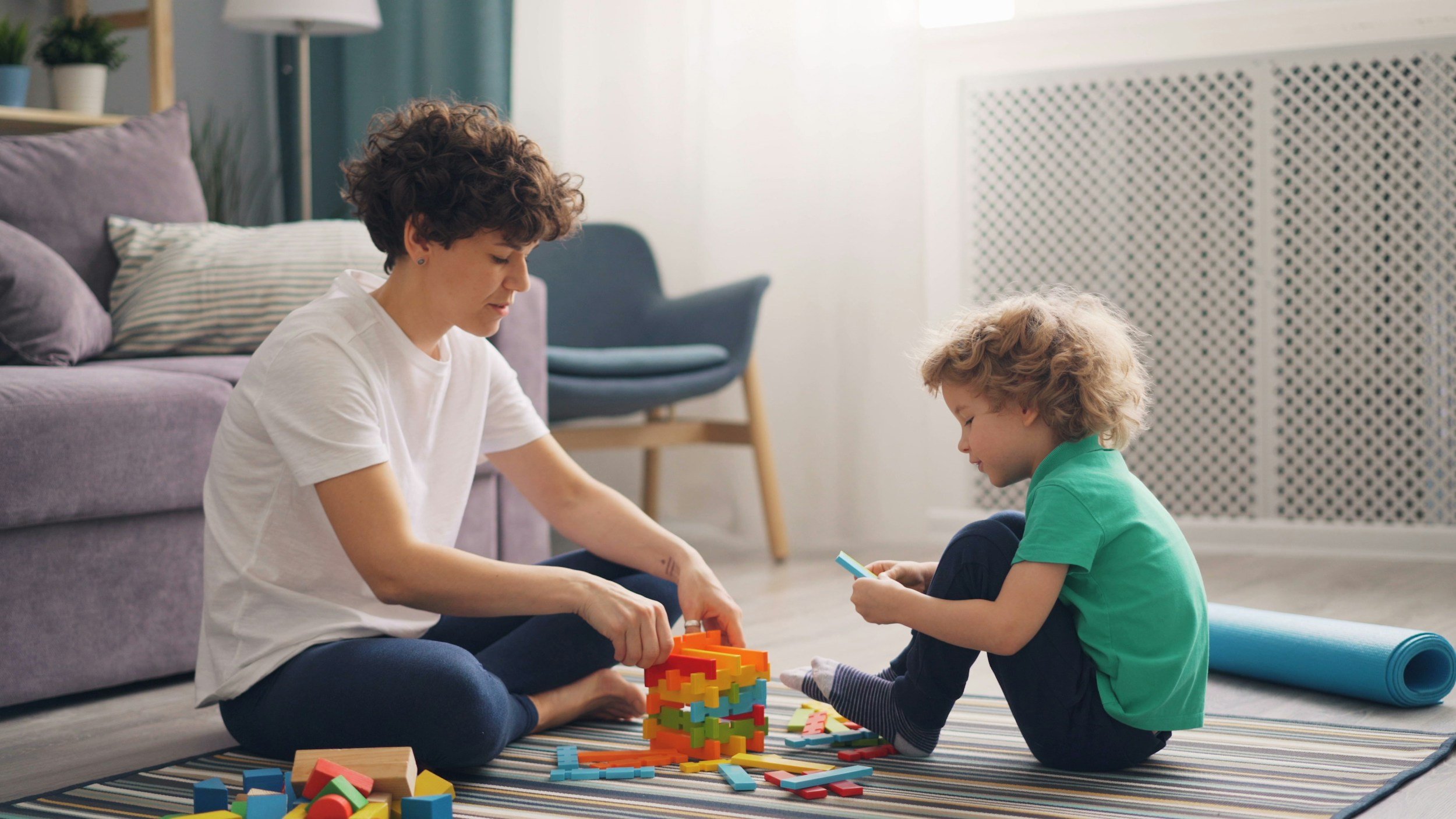
Help provide supplies for our programs and activities.