

September 2026 Newsletter
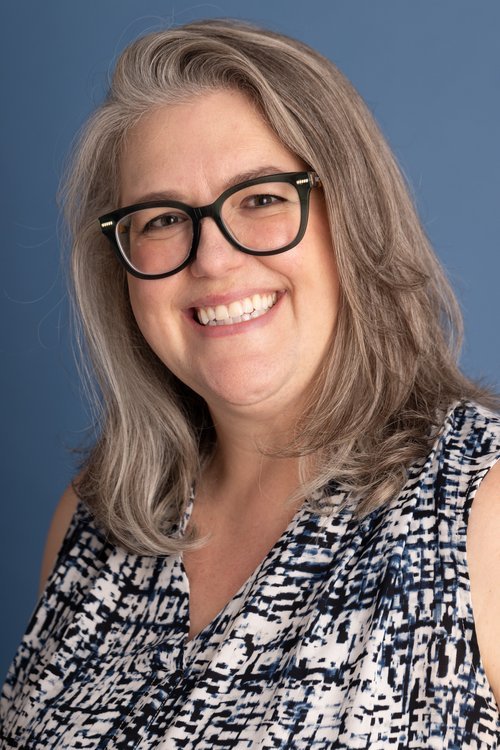
We Need Each Other to Grow
One of the things we talk about often at PCDA is that growth happens in relationship. Children build new skills when they have the right support around them, and families grow when they have people alongside them as they navigate what can sometimes feel uncertain or difficult. This is true for adults, too.
We are in the final stages of one of our current grant projects, supporting our clinical supervisors and directors in their work to build resiliency within our organization. We’ve been working with Dr. Hillary Johnson and Hala Khouri from A Thousand Joys, a nonprofit that works with educators and service providers to build resilience and strengthen the capacity of the organizations that support youth and families.
Caring for our team, myself included, means creating opportunities to build the capacity we need to navigate challenges, manage stress, stay flexible, and continue showing up for one another and for our community. Resiliency is not about handling everything on our own. It grows through support, relationships, reflection, and having the opportunity to practice responding differently when things feel hard.
In a meeting with Hillary and Hala today, it was fascinating to hear them guide us through a discussion that, in many ways, sounded just like the discussions we guide our client families through every session. Participating in growth opportunities isn’t passive. It requires us to lean into the sticky spots where we aren’t quite sure or feel a little uneasy. When we have the support to stay with those moments, we can learn, stretch, and build our capacity to respond to what comes next.
A few months ago in my June newsletter, I wrote about a similar idea with the Zone of Proximal Development. We know that children need the support of relationships to grow beyond what they can do on their own. Remember, this is true for adults, too. When we are given the space to learn, be supported, and stretch into the places that feel a little uncertain, we build our own capacity and resiliency. We become better able to navigate challenges, adapt when things don’t go as planned, and support the people around us.
I’m thankful for the support from the Pasadena Community Foundation that is helping our team do this work. It gives us the opportunity to care for the people who care so deeply for the young people and families who make up our PCDA community.

Thank you to Chang & Lee Law Firm of Pasadena for supporting Pickleball for PCDA as a Court Sponsor! We’re grateful for their support and commitment to our community.
There’s still time to join them as an event sponsor. Contact development@pcdateam.org to learn more about available opportunities and how your business can support PCDA.
Join us for a fun day of pickleball in support of PCDA on September 26th! All proceeds from this fundraising event will benefit PCDA’s services for children, teens, young adults, and families. 🏓
PCDA supporters and community members are invited to join us on Saturday, September 26 at 9 am at the Pickleball Courts at Sierra Vista Park, located in Sierra Madre. No experience is necessary, so grab a paddle and come play for a great cause!
Register by September 23 to reserve your spot. You can also support the event by making a donation or becoming a sponsor.
Please note that Pickleball for PCDA is a fundraising event for supporters and community members and is not a PCDA client program or activity.

PCDA’s Young Adults recently visited The Shabby Dog in Sierra Madre for a behind-the-scenes look at a local business in their community. During the visit, group members toured the facility, interviewed team member Ash about their work, and had the option to meet a dog. The outing offered a chance to ask questions, learn about different roles in the workplace, and spend time together in a new community setting.
Experiences like this are an important part of the Young Adults program, which supports participants in exploring vocational interests, building life skills, navigating the community, and developing meaningful social connections. But community inclusion extends well beyond one program at PCDA. Across our group services, participants have opportunities to practice skills in real-world settings, build confidence engaging with others, and strengthen their ability to take part in school, work, recreation, and community life. Social Skills Group emphasizes carrying peer interaction skills into home, school, and community settings, while Teen Club includes community exploration, service, life skills, and self-advocacy as part of preparing teens for greater independence.
Partnerships with welcoming local businesses like The Shabby Dog help make those experiences possible. They also give PCDA opportunities to work alongside our greater community toward a shared goal: creating spaces where people of all abilities can participate, contribute, and feel that they belong.
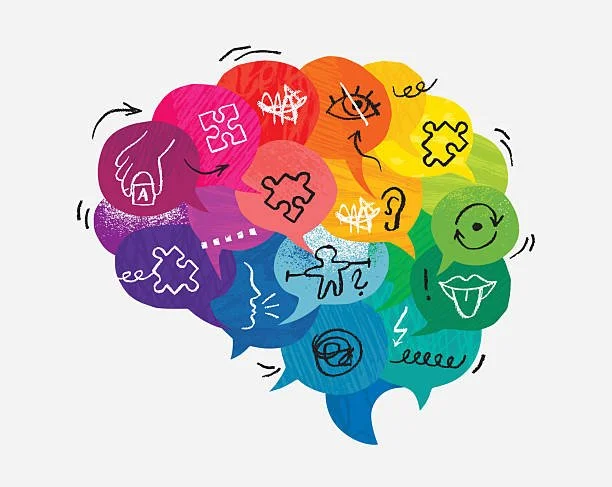
Have you ever wondered why PCDA intentionally uses the Developmental, Individual Differences, Relationship-Based (DIR) framework across our work? Join us on Thursday, September 24 at 12 pm on Zoom for the return of our Parent Advisory Committee (PAC) Learning Series. Anne Davis, Director of Therapy Services, will facilitate a conversation on Why PCDA Uses DIR.
Anne will explore how DIR Floortime helps PCDA understand each person’s unique developmental profile, individual differences, and relationships, and why this approach shapes the way our teams support communication, regulation, participation, and connection across services. This session is a chance for parents and caregivers to learn more about the thinking behind PCDA’s approach and how it comes to life in everyday practice.
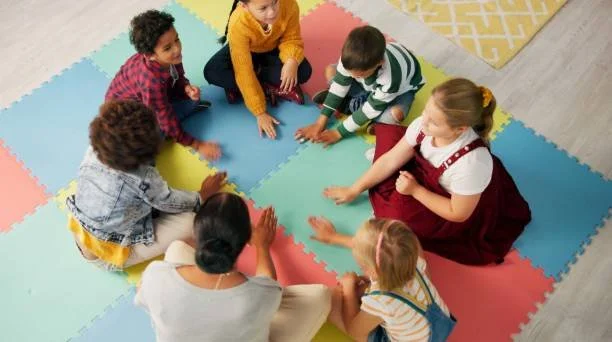
Friendships and social connections develop through practice, play, and shared experiences. PCDA’s Social Skills Group supports clients ages 3–13 in building communication, emotional regulation, problem-solving, and peer interaction skills in a supportive environment. Through play, group projects, and activities inspired by their interests, clients have opportunities to practice shared attention, turn-taking, collaboration, and navigating social situations alongside their peers.
With individualized guidance from facilitators, clients can explore their own ways of connecting with others, work through challenges, and build confidence in peer relationships. The goal is for these skills and experiences to carry beyond the group into school, home, and the community, supporting meaningful relationships, greater independence, and a stronger sense of belonging.

September brings familiar routines and new opportunities to learn. As the school year gets underway, PCDA continues to be a place where learning happens in many ways through therapy, creative expression, community experiences, friendships, and everyday moments of discovery.
The Circle of Care helps make these opportunities possible all year long. With monthly gifts starting at just $10, Circle of Care members provide reliable support for the programs, therapies, outings, and shared experiences that help children, teens, young adults, and families feel supported and connected.
This season, your ongoing support helps PCDA continue to be a place where every individual can explore their interests, build confidence, strengthen relationships, and discover what’s possible.
Join the Circle of Care and make a difference each month. To learn more, contact our Development team at development@pcdateam.org.

As we move into a new season at PCDA, our community continues to make so much of what we do possible. Your generosity helps provide children, teens, young adults, and families with individualized care, meaningful programs, and opportunities to participate in experiences both at PCDA and throughout the community.
There are many ways to support PCDA. A one-time donation, a monthly gift through our Circle of Care, or an item from our Wish List can help provide the resources our programs and teams rely on throughout the year.
Thank you for continuing to show up for PCDA and the individuals and families we serve. Your support helps us provide welcoming, inclusive spaces where everyone has opportunities to participate, learn, and belong.